 by
by How closely will the new Samurai Troopers connect to the legendary original series?
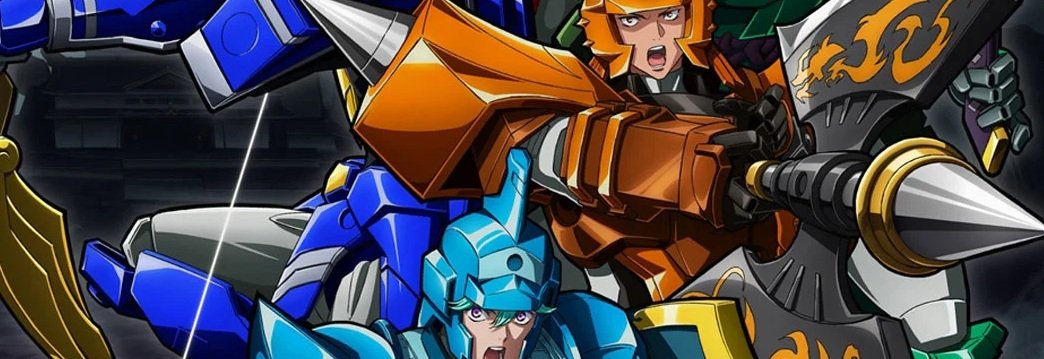
The long-awaited sequel to the 1988 anime Yoroiden Samurai Troopers is finally approaching its broadcast date. The new TV series, Samurai Troopers, is scheduled to air over two cours starting Tuesday, January 6, 2026, and the announcement of its main characters has already ignited lively discussion among longtime fans.
While excitement continues to build, one major question remains unanswered: how exactly is the new series connected to the original 1988 classic? With no official explanation yet, fans have begun carefully analyzing character names, motifs, and narrative hints in search of clues.
A Confirmed Sequel—But the Details Are Still a Mystery
It has been officially confirmed that the 2026 anime is a sequel, not a remake or reboot. However, the precise nature of that sequel relationship—whether it is a direct continuation, a generational follow-up, or a story set in a parallel world—has not yet been revealed.
This lack of clarity has naturally fueled speculation. In many anime sequels, shared surnames are often used to imply bloodlines, reincarnations, or inherited destinies. Surprisingly, none of the newly announced characters currently share a surname with characters from the original series.
For fans familiar with the original work, this is both intriguing and unsettling.
The Protagonist “Gai” and the Missing Surname
One detail in particular has caught fans’ attention: the protagonist, Gai (also known as “Scorching Gai”), is the only major character whose surname has not yet been disclosed.
Many fans believe this omission is intentional. If Gai’s surname later turns out to match—or symbolically reference—a character from the original series, it could dramatically redefine the relationship between the two works. Until that reveal happens, Gai remains the biggest wildcard in the sequel’s narrative setup.
Sengoku-Era Naming Traditions—And One Curious Exception
Just like the 1988 series, most of the allied characters in the new anime carry surnames inspired by Sengoku-period warlords, maintaining a strong thematic link to Japanese history.
However, one character breaks from this tradition: the heroine, Mirei Aragaki.
- “Aragaki” is not associated with Sengoku-era historical figures
- It is, instead, one of the most common surnames in Okinawa, reportedly ranking sixth in the prefecture
This unexpected choice has led fans to wonder whether Mirei represents a new cultural perspective or a symbolic departure from the past—possibly signaling that the sequel will expand the world of Samurai Troopers beyond its original framework.
The Antagonists and the Return of Familiar Names
On the enemy side, the sense of déjà vu grows stronger.
The newly announced antagonist Ramaga shares a striking similarity in name to Arago, the evil emperor and final boss of the original series. Alongside Ramaga, five powerful subordinates—collectively referred to as the Ten Braves—have also been revealed.
This has led many fans to believe that the sequel is intentionally echoing elements from the original story.
The “Ten Braves” and an Unexpected Sanada Connection
The names of the Ten Braves—Sasuke, Saizō, Kamanosuke, Seikainyūdō, and Isanyūdō—will immediately sound familiar to fans of Japanese history and period fiction.
These names match members of the Sanada Ten Braves, a legendary (though fictionalized) group of warriors frequently featured in early Edo-period historical dramas and novels.
This detail has sparked even more speculation, because the surname Sanada is deeply tied to the original Samurai Troopers. The original protagonist was Sanada Ryō (Ryō of Rekka).
Using the Sanada Ten Braves as an antagonist motif is unusual, but potentially very meaningful. Fans are now asking:
- Are the villains meant to be a dark reflection of the original heroes?
- Is this a symbolic clash between past and present ideals?
- Or is it simply a clever homage rather than a direct narrative link?
Coincidence or Carefully Planted Foreshadowing?
Of course, there is also the possibility that fans are overanalyzing these details. In recent years, many anime sequels and revivals have shared names and motifs with their predecessors while telling completely standalone stories set in new worlds.
If that is the case here, the similarities may serve more as thematic tributes than literal connections.
However, given:
- the deliberate naming choices,
- the repeated Sengoku references,
- and the conspicuous absence of Gai’s surname,
it is difficult to believe that these elements were chosen without intent.
What Fans Are Ultimately Hoping to Learn
As the premiere date draws closer, fan expectations have become clearer. Viewers are hoping the new series will:
- Clearly explain how it relates to the 1988 original
- Respect the legacy of the classic characters
- Offer meaningful callbacks without alienating new viewers
- Deliver a story that stands strong on its own
Whether these answers will be provided early on or revealed gradually remains to be seen.
Final Thoughts: All Eyes on January 6, 2026
With its broadcast just around the corner, Samurai Troopers (2026) is shaping up to be one of the most closely watched legacy sequels in recent anime history.
Are the shared names and motifs signs of deep continuity—or simply symbolic nods to a beloved classic?
Is Gai connected to the past in ways fans haven’t yet imagined?
Or will the sequel chart an entirely new path forward?
Fans won’t have to wait much longer. When the series premieres on January 6, 2026, the long-standing mysteries surrounding Samurai Troopers may finally begin to unravel.