 by
by When popular manga are adapted into anime, violent or brutal scenes are often toned down to meet broadcasting standards. However, some late-night anime series choose the opposite route: faithfully recreating or even amplifying the original’s harshness. These bold decisions frequently spark heated discussions online, with viewers asking, “Is this really okay to air on terrestrial television?”
In recent years, several anime titles have stood out for their unexpectedly aggressive content, shocking dialogue, and uncompromising depictions of violence. Below, we look back at three anime that made viewers tense from the very first episode and challenged the limits of late-night TV broadcasting.
Note: This article discusses violent scenes and mature themes.
1. The Elusive Samurai A Historical Tragedy That Pulls No Punches
(Original work by Yusei Matsui)
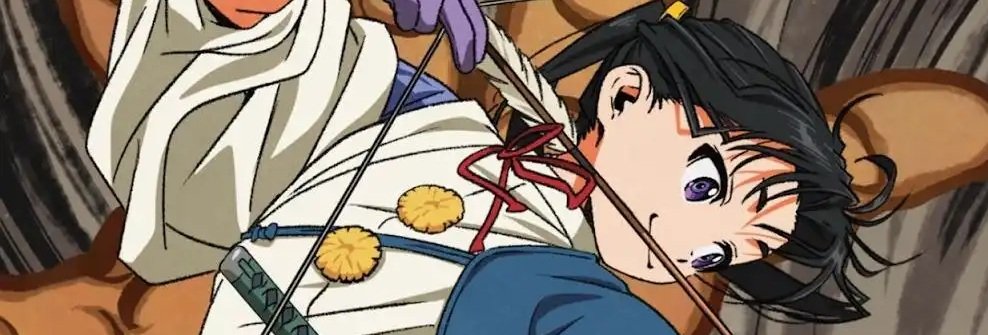
Airing in summer 2024, The Elusive Samurai tells the story of Hojo Tokiyuki, a real historical figure who survives the fall of the Kamakura shogunate and attempts to reclaim his future after being hunted by Ashikaga Takauji.
Although serialized in Weekly Shonen Jump, the original manga is known for its unflinching portrayal of medieval warfare and political cruelty. The anime adaptation shocked viewers by staying remarkably faithful to those depictions.
A first episode that changed the tone instantly
One of the most talked-about moments occurs early in episode one. The scene begins peacefully, with Tokiyuki and his brother Kunitoki playing kemari (a traditional Japanese ball game). The warm, almost nostalgic atmosphere suddenly collapses when the ball falls from the roof—cutting immediately to the image of Kunitoki’s severed head.
The abrupt contrast left many viewers stunned.
Online reactions included:
- “The color and motion made it even scarier than the manga.”
- “I didn’t expect something this brutal so early.”
- “It really captures how merciless that era was.”
By opening with such a moment, the anime made it clear that this was not a softened historical drama, but a story willing to depict cruelty head-on.
2. Tokyo Ghoul – Terror Through Sound and Suggestion
(Original work by Sui Ishida)
Few anime are as infamous for their psychological and physical brutality as Tokyo Ghoul. The story follows Ken Kaneki, who becomes a half-ghoul after a life-saving operation using organs from a man-eating monster.
While the anime aired on terrestrial television with heavy censorship including blacked-out visuals and reduced gore it still managed to disturb viewers through sound design, pacing, and implication.
The Yamori torture arc: unforgettable even with censorship
One of the most harrowing segments involves Kaneki’s torture by Yamori (Jason) of the Aogiri Tree. Even though visuals were obscured, the sound of bones breaking, screams, and Yamori’s calm voice were enough to convey the horror.
Scenes such as:
- Kaneki’s fingers being torn off with pliers
- Innocent civilians being murdered in front of him
were deeply unsettling, proving that censorship doesn’t always soften emotional impact.
A recreated torture chamber shocked fans in 2024
At a Tokyo Ghoul immersive exhibition held in 2024, a life-size recreation of the torture chamber was unveiled. Visitors reported intense emotional reactions, posting comments like:
- “Just standing there made me feel sick.”
- “It really made me imagine what Kaneki went through.”
The exhibit reaffirmed how deeply the series’ brutality has been etched into fans’ memories.
3. Ninja and Yakuza – Modern Violence Without Restraint
(Airing in 2025)
Set in modern-day Japan, Ninja and Yakuza depicts an underground war between ninjas and organized crime syndicates. The story follows Tanaka Shinoha, a ninja, and Kimura Kiwami, a yakuza, who form a fragile bond amid relentless bloodshed.
Airing despite concerns over violent content
Even before its anime adaptation, many fans speculated that Ninja and Yakuza would be too extreme for terrestrial broadcasting. Indeed, while some scenes were censored—such as blurred hand gestures or muted dialogue many others aired almost untouched.
Most shocking were:
- A background character casually saying, “Is it okay to sell children’s organs?”
- A scene where the Prime Minister uses a body-enhancing drug and slashes a child enemy with a katana
Viewers flooded social media with reactions like:
- “Where is the line for TV broadcasting?”
- “They’ve completely abandoned restraint.”
Uncensored version fuels renewed buzz
The fully uncensored version available on Amazon Prime Video further intensified discussion. Fans especially praised the restoration of the manga’s distinctive furigana wordplay, which adds dark nuance to phrases like “from the bottom of my heart” or “to perish.”
Why Do These Anime Still Air on TV?
Late-night anime slots allow creators more freedom, but these examples highlight a broader trend: audiences are increasingly accepting darker, more challenging narratives.
Rather than violence for shock alone, these series:
- Reflect harsh historical realities
- Explore psychological trauma
- Critique modern society through extreme satire
For many fans, the discomfort is precisely what makes these stories powerful and memorable
Conclusion: Shock as Storytelling
These anime didn’t simply aim to provoke—they used aggressive storytelling as a narrative tool. Whether through historical tragedy, psychological horror, or unfiltered modern violence, they forced viewers to confront uncomfortable truths.
As long as late-night anime continues to evolve, audiences can expect more works that test boundaries—and leave them asking, “Was that really allowed on terrestrial TV?
SEO Keywords
anime too violent for TV, shocking anime scenes, aggressive anime adaptations, Tokyo Ghoul torture scene, Elusive Samurai brutal scenes, Ninja and Yakuza uncensored anime, late night anime controversy