 by
by In recent years, two voice actors in particular have stood out for their calm, subdued, and emotionally restrained performances: Kouki Uchiyama and Chiaki Kobayashi. Their so-called “downer voices”—low-key, introspective, and often tinged with melancholy have become increasingly sought after in modern anime.
As the Winter 2026 anime season begins, both actors are once again in the spotlight. Uchiyama appears in several high-profile titles, while Kobayashi continues to expand his reputation through emotionally complex roles. But why are their voices and performances so highly valued today? Let’s explore their appeal, similarities, and differences in a beginner-friendly way.
A Busy Winter 2026 for Two Popular Voice Actors
Both actors are scheduled to appear in major winter anime, highlighting how trusted they have become within the industry.
Kouki Uchiyama’s Winter 2026 Lineup
- Oshi no Ko – Season 3
- TRIGUN STARGAZE
- To You in Full Bloom
Chiaki Kobayashi’s Winter 2026 Lineup
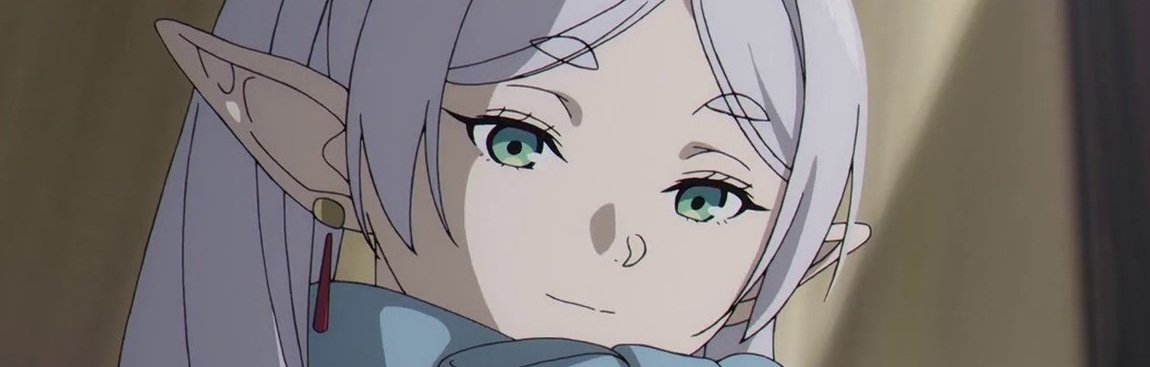
- Funeral of Freiren – Season 2
- Hell’s Paradise – Season 2
- High School! Kimengumi
Their continued casting in sequels and high-expectation titles shows just how important quiet but powerful acting has become in contemporary anime.
Kouki Uchiyama: The Master of the “Cool Genius”
Kouki Uchiyama has been active for over 15 years and rose to prominence with roles such as:
- Roxas in Kingdom Hearts II
- Banagher Links in Mobile Suit Gundam UC
His voice is characterized by a low, slightly dark tone that naturally conveys emotional distance, intelligence, and inner conflict. He is especially well-known for portraying characters who are:
- Talented or gifted
- Emotionally closed off
- Calm on the surface but intense inside
Notable anime roles include:
- Itoshi Rin (Blue Lock)
- Daiki Himekawa (Oshi no Ko)
- Smile (Ping Pong the Animation)
- Gen Narumi (Kaiju No. 8)
- Toge Inumaki (Jujutsu Kaisen)
- Kei Tsukishima (Haikyu!!)
Uchiyama’s greatest strength lies in subtle acting. Rather than dramatic shouting or exaggerated emotion, he uses:
- Slight changes in tone
- Controlled pacing
- Minimal but precise delivery
This makes emotional outbursts far more impactful when they finally occur. His performances as Tsukishima and Shigaraki Tomura (My Hero Academia) are especially praised for the striking contrast between restraint and explosive emotion.
Chiaki Kobayashi: Expressing Pain Through Silence
While Chiaki Kobayashi belongs to a younger generation, his rise has been rapid and impressive. His voice is softer than Uchiyama’s, often carrying a sense of fragility, vulnerability, and suppressed suffering.
Kobayashi excels at portraying:
- Characters burdened by guilt or trauma
- Youths struggling with identity
- Individuals who appear quiet but are emotionally turbulent
In works like Funeral of Freiren and Hell’s Paradise, his performances emphasize emotional realism rather than archetypal heroism. He often sounds as if his characters are thinking before speaking, which draws viewers into their inner worlds.
This approach resonates strongly with modern audiences, especially younger viewers who value:
- Psychological depth
- Realistic emotional struggles
- Characters who feel “human” rather than idealized
Why “Downer Voices” Fit Modern Anime So Well
The increasing popularity of Uchiyama and Kobayashi reflects broader trends in anime storytelling.
Modern anime favors:
- Complex characters with emotional scars
- Stories about loss, trauma, and personal growth
- Quiet scenes that rely on atmosphere rather than action
“Downer voices” are perfect for:
- Fantasy dramas (Funeral of Freiren)
- Psychological thrillers
- Character-driven narratives
In these stories, restraint is more powerful than volume. A calm line delivered with emotional weight can leave a stronger impression than a loud monologue.
Similarities and Differences at a Glance
Similarities
- Specialize in restrained, introspective characters
- Excel at subtle emotional expression
- Frequently cast in serious, story-driven anime
Differences
- Uchiyama often plays geniuses or dominant figures with hidden emotions
- Kobayashi frequently portrays emotionally wounded or vulnerable youth
- Uchiyama’s voice feels controlled and authoritative, while Kobayashi’s feels fragile and raw
Final Thoughts
The high evaluation of Kouki Uchiyama and Chiaki Kobayashi is no coincidence. Their “downer voices” align perfectly with the evolving language of modern anime—one that prioritizes emotional nuance, realism, and inner conflict over flashy spectacle.
As Winter 2026 unfolds, audiences can look forward to more performances that prove quiet acting can speak the loudest. Whether through Uchiyama’s controlled intensity or Kobayashi’s vulnerable sincerity, both voice actors continue to shape how anime expresses emotion in a more mature and meaningful way.