 by
by The Winter 2026 anime season has delivered several high-profile titles, but not all reactions have been unanimously positive. While many series boast stunning animation and ambitious storytelling, some viewers have expressed mixed opinions praising the creativity while criticizing unconventional direction, lack of explanation, or controversial original scenes.
In today’s social media era, anime can become a trending topic overnight, and even minor stylistic choices may ignite heated discussions. Several standout titles this season have become prime examples of how bold creative decisions can both captivate and divide audiences.
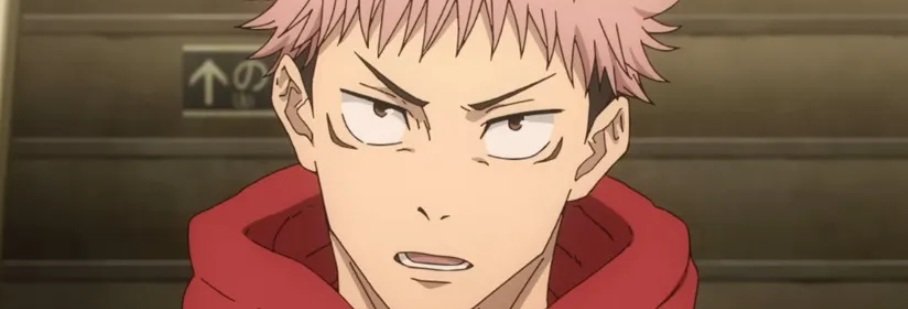
Jujutsu Kaisen Season 3 Original Scenes Create Buzz (and Controversy)
One of the most talked-about shows this winter is Jujutsu Kaisen Season 3, which adapts the intense “Culling Game” storyline a deadly battle royale among sorcerers.
The season premiered with a one-hour special episode that immediately drew attention for its cinematic visuals and anime-original moments, particularly scenes involving Naoya Zen’in. One moment where he slicks back his hair while attacking quickly went viral online and even became a meme.
Why Opinions Are Split
Praised for:
- Movie-level animation quality
- Expanded character portrayals
- Dynamic fight choreography
- Memorable original additions
Criticized for:
- Deviations from the manga
- Tonal choices in serious scenes
- Upbeat music during intense battles
- Altered character interpretations
For example, some fans felt that Maki’s life-or-death confrontation with the Zen’in clan used music that clashed with the gravity of the scene. Others argued that these creative liberties enhanced the anime experience.
The debate highlights a recurring question in adaptations:
Should anime remain strictly faithful to the source material, or innovate for a new medium?
Sentenced Hero: Records of the 9004th Squad Spectacular but Hard to Follow
Another heavily discussed original anime is Sentenced Hero: Records of the 9004th Squad, a dark fantasy about a condemned man forced to fight endlessly on the front lines.
The story follows Zylo Forbertz, a criminal sentenced to “Heroic Punishment,” which allows him to be resurrected repeatedly as a living weapon. After forming a contract with the sword goddess Teorita, he becomes entangled in political intrigue and brutal warfare.
Strengths Noted by Viewers
- High-budget animation
- Dramatic cinematography
- Epic soundtrack
- Intense action sequences
Main Criticism
The series offers minimal exposition, throwing viewers directly into its complex world without explanation. While some praised this approach for respecting audience intelligence, others found it confusing and emotionally distant.
This “show, don’t tell” style has created a clear divide:
- Fans of mature storytelling appreciate the mystery
- Casual viewers may struggle to follow the plot
Game of Death: Making a Living Stylish but Emotionally Distant?
Death-game stories remain popular, but Game of Death: Making a Living has sparked debate for its unusual tone.
The series follows Yuuki, a protagonist who participates in deadly survival games as a profession — a premise that intentionally normalizes extreme violence.
The premiere episode aired as a 60-minute special and impressed viewers with:
- Detailed world-building
- Creative direction
- A shocking ending
However, reactions quickly became polarized.
Common Criticisms
- Insufficient character development
- Limited emotional depth
- Lack of clear rules or stakes
- Reduced tension due to normalized violence
Some viewers felt that when death becomes routine, the suspense a core element of the genre — diminishes.
Interestingly, the original novel itself received mixed evaluations during its award debut, suggesting that divisive reactions were inevitable.
Why Anime Originals Often Divide Audiences
Anime that stray from conventional storytelling or source material tend to generate strong reactions. Several factors contribute to polarized opinions:
1) Expectations vs. Innovation
Fans of original works often prefer faithful adaptations, while new viewers may enjoy fresh interpretations.
2) Information Density
Complex worlds without exposition can feel immersive or confusing depending on the viewer.
3) Tone and Direction
Music, pacing, and camera work dramatically influence emotional impact.
4) Social Media Amplification
Controversial scenes spread rapidly online, magnifying debate.
The Positive Side of Divisive Anime
Despite criticism, these shows demonstrate the industry’s willingness to experiment. Many now-classic series were initially controversial but later celebrated for their bold vision.
Divisive anime can:
- Push creative boundaries
- Encourage discussion and analysis
- Attract curiosity from new viewers
- Stand out in a crowded market
In fact, some scenes criticized at first later become iconic.
Final Thoughts
The Winter 2026 season proves that anime remains a dynamic art form capable of inspiring both admiration and debate. Whether it’s Jujutsu Kaisen’s anime-original scenes, the enigmatic storytelling of Sentenced Hero, or the unsettling tone of Game of Death, these titles show that risk-taking is alive and well in modern anime.
For viewers, the key takeaway is simple:
A divided opinion doesn’t necessarily mean a show is bad it often means it’s trying something new.
If you enjoy bold storytelling, experimental direction, or visually stunning productions, these controversial titles may be worth watching to form your own opinion.