 by
by Studio Ghibli’s 2013 film The Tale of the Princess Kaguya, directed by the late Isao Takahata, is widely regarded as one of the studio’s most profound and visually unique works. Based on The Tale of the Bamboo Cutter, often considered Japan’s oldest surviving narrative, the film earned global acclaim, including an Academy Award nomination for Best Animated Feature.
When the movie aired on Japanese television again in January 2026, discussions resurfaced about how faithfully it follows the original folktale and which changes might surprise viewers who know the classic version.
A Faithful Adaptation With Purposeful Changes
The Tale of the Princess Kaguya: What Changed from the Original Folktale — And Why It Still Works
Studio Ghibli’s 2013 film The Tale of the Princess Kaguya, directed by the late Isao Takahata, is widely regarded as one of the studio’s most profound and visually unique works. Based on The Tale of the Bamboo Cutter, often considered Japan’s oldest surviving narrative, the film earned global acclaim, including an Academy Award nomination for Best Animated Feature.
When the movie aired on Japanese television again in January 2026, discussions resurfaced about how faithfully it follows the original folktale and which changes might surprise viewers who know the classic version.
A Faithful Adaptation With Purposeful Changes
Several memorable characters in the film do not appear in the original folktale:
Sutemaru The Childhood Friend
Sutemaru represents Kaguya’s connection to ordinary human life. Their shared childhood in the countryside highlights the happiness she later loses after moving to the capital.
Jōdō The Young Attendant
This cheerful, round-bodied servant became unexpectedly popular among viewers. She adds warmth and humor to the palace scenes.
Ouna The Foster Mother
While the original story barely mentions Kaguya’s adoptive mother, the film portrays her as deeply compassionate, reinforcing the emotional core of the narrative.
Rather than angering fans, these additions were widely praised for making Kaguya’s experiences feel more personal and tragic.
The Most Controversial Change: The Emperor (Mikado)
The biggest departure from the original tale involves the character of the Emperor.
In the Film
The Emperor is portrayed as arrogant and possessive. In a disturbing scene, he forcibly embraces Kaguya, prompting her desperate plea for rescue from the Moon. This moment becomes the emotional turning point that triggers her return.
In the Original Folktale
The relationship is more nuanced:
- The Emperor and Kaguya exchange letters for years
- They develop mutual respect and emotional connection
- After she returns to the Moon, she sends him the elixir of immortality
- He burns it atop Japan’s highest mountain, giving rise to the legend of Mount Fuji (“immortal mountain”)
This poetic ending symbolizing love that transcends life is entirely absent from the film.
Why Director Takahata Changed This Element
Isao Takahata approached the story not as a fairy tale romance but as a meditation on human suffering and impermanence.
His interpretation suggests:
- Kaguya’s life on Earth is a form of punishment
- Human emotions are both beautiful and painful
- The Emperor’s forceful behavior represents the oppressive nature of worldly desire
From this perspective, removing the romantic correspondence and immortality legend keeps the focus on Kaguya’s internal struggle rather than external relationships.
Themes Unique to the Film
Takahata’s version emphasizes philosophical ideas rarely explored in the original text:
The Beauty of Impermanence
Joy exists precisely because it does not last.
Conflict Between Nature and Civilization
Kaguya’s happiness in the countryside contrasts sharply with the suffocating court life.
Female Autonomy
Her refusal of suitors becomes a statement of independence rather than mere modesty.
The Cost of Human Emotion
Love, grief, longing, and regret all shape her journey.
Visual Style That Reinvents Traditional Animation
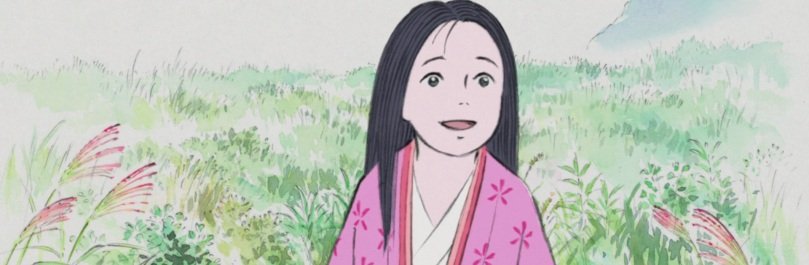
Another major departure from typical anime is the film’s art style, inspired by classical Japanese ink paintings and picture scrolls.
Characteristics include:
- Loose watercolor textures
- Visible brushstrokes
- Minimalistic backgrounds
- Expressive motion lines
This hand-crafted aesthetic enhances the story’s timeless quality and emotional impact.
Why the Film Is Still Considered a Masterpiece
Despite changes to the original folktale, the movie is widely regarded as one of Studio Ghibli’s finest achievements.
Reasons for its acclaim:
- Deep emotional storytelling
- Cultural authenticity
- Artistic innovation
- Philosophical depth
- Powerful musical score
Takahata’s long career adapting literary works including Heidi, Girl of the Alps, Anne of Green Gables, and Grave of the Fireflies culminated in this film, making it a fitting final masterpiece.
Final Thoughts
While The Tale of the Princess Kaguya introduces significant alterations to the ancient folktale, these changes serve a clear artistic purpose. Rather than retelling the story verbatim, Takahata reinterprets it through a modern lens, exploring universal themes of freedom, loss, and the fragile beauty of life.
For viewers familiar with the original legend, the differences may be striking. Yet for many, the film’s emotional resonance and visual brilliance more than justify its creative liberties.
Ultimately, the movie does not replace the original tale it revitalizes it for a new generation, ensuring that one of Japan’s oldest stories continues to be remembered and reimagined.