 by
by On February 13, 2026, the beloved anime franchise Gintama made a triumphant return to theaters with “Gintama: The New Movie Yoshiwara Inferno.” Released as the grand finale of the Gintama 20th Anniversary Project, the film revisits one of the series’ most powerful story arcs and transforms it into a cinematic spectacle.
Fans and newcomers alike have praised the movie for achieving what Gintama does best: delivering emotional storytelling, explosive action, and outrageous comedy all in perfect balance.
A Bold Reimagining of the “Yoshiwara Inferno” Arc
Rather than simply remastering the original TV arc from 17 years ago, the film presents a completely reworked version. The script, direction, pacing, and visual storytelling have been redesigned specifically for the big screen.
What’s New in the Movie Version?
- Additional scenes and character moments
- Expanded roles for popular characters like the Shinsengumi and Katsura Kotaro
- Anime-original elements and new Amanto characters
- More detailed world-building
- Improved narrative flow for first-time viewers
This approach ensures longtime fans get a fresh experience while newcomers can enjoy the story without prior knowledge of the series.
Yoshiwara: A Prison Beneath the Sun
One of the film’s greatest strengths is its depiction of Yoshiwara, the underground pleasure district ruled by the tyrannical Night King, Housen.
Unlike the TV version, the movie emphasizes the suffocating atmosphere of the city:
- Yoshiwara is sealed off from sunlight by a massive dome
- Women are trapped and exploited with no hope of escape
- The environment feels claustrophobic, oppressive, and hopeless
This visual intensity heightens the emotional impact of the story especially during the film’s climactic destruction of the dome, which symbolizes liberation.
Spectacular Action and Emotional Depth
While Gintama is famous for comedy, its serious arcs deliver some of the most intense moments in anime — and this film showcases them at their absolute peak.
Housen: A Truly Terrifying Final Boss
Housen, leader of the Yato clan and ruler of Yoshiwara, dominates the film as an overwhelming antagonist.
The movie reinforces his terrifying presence through:
- Brutal fight choreography
- Cinematic scale battles
- Strategic use of silence and sound design
- Scenes demonstrating his superiority over other powerful characters
One standout moment shows a previously unstoppable mid-level villain being effortlessly defeated during a clash between Housen and Kamui highlighting the enormous gap in power.
Gintoki’s Dual Nature Shines
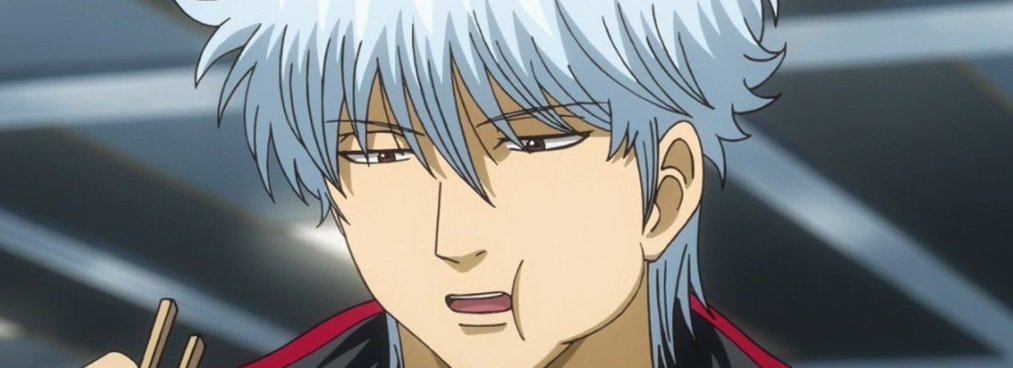
Sakata Gintoki’s portrayal is particularly compelling.
- Early scenes show him as a laid-back, irresponsible adult buying sweets for children
- Later, he transforms into a ruthless warrior fighting to protect the innocent
- His battle is not heroic glory it is survival
This contrast reinforces a core theme of Gintama: heroes are often ordinary people forced into extraordinary circumstances.
Kagura’s Awakening: A Highlight of the Film
Kagura’s transformation sequence is one of the movie’s most unforgettable moments.
As a member of the powerful Yato clan, her awakening unleashes:
- Savage combat instincts
- Explosive speed and strength
- Raw emotional intensity
The animation captures both the beauty and horror of her power, making it a standout scene even for longtime fans.
The Legendary “Demon Slayer” Parody
No Gintama project would be complete without outrageous parody — and this film delivers from the very first minutes.
Opening Joke That Broke the Internet
The movie opens with a bold parody of Demon Slayer: Kimetsu no Yaiba, sending audiences into laughter and applause.
Highlights include:
- Gintoki appearing disguised as Gyomei Himejima
- A meta joke referencing shared voice actors
- Visual homages to iconic scenes from Demon Slayer
Since Tomokazu Sugita voices both Gintoki and Gyomei, the joke lands perfectly.
Voice Actor Easter Eggs
The film also includes subtle references during the battle between Katsura and Kamui:
- Akira Ishida (Katsura) voices Akaza in Demon Slayer
- Satoshi Hino (Kamui) voices Rengoku
This clever casting overlap adds another layer of fan service.
Why the Humor Works
What makes these jokes effective is timing. The film alternates between:
- Intense life-or-death battles
- Emotional character drama
- Absurd comedy
This sharp contrast amplifies both sides. The heavier the drama, the funnier the relief — and vice versa.
Importantly, the story itself is never treated as a joke. The parody respects the narrative rather than undermining it.
A Story That Resonates Across Generations
One striking aspect of the theatrical release was the diverse audience:
- Longtime fans who grew up with the series
- Teenagers discovering Gintama for the first time
- Couples and families
Why does Gintama still resonate after nearly two decades?
Universal Themes
The Yoshiwara arc explores timeless human struggles:
- Protecting loved ones
- Freedom versus oppression
- The pain of family separation
- Growing up and taking responsibility
Haruta’s desire to reunite with his mother and the adults’ determination to protect children provide emotional anchors that transcend generations.
Nostalgia Meets Modern Production
When the classic TV theme song “Kagayakita” by Shigi plays during the film, longtime fans are flooded with memories, while new viewers experience a legendary moment for the first time.
This blend of nostalgia and innovation is central to the movie’s success.
Production Quality and Staff
The film’s high production values reflect the talent behind it.
Key Staff
- Original Creator: Hideaki Sorachi
- Director: Naoya Ando
- Supervision: Yoichi Fujita
- Screenplay: Taku Kishimoto
- Character Design: Shinji Takeuchi
- Music: Audio Highs
- Animation: BN Pictures
Theme Song
“Sanzen” by SUPER BEAVER enhances the emotional tone of the film.
Voice Cast Highlights
The star-studded cast returns, including:
- Tomokazu Sugita as Gintoki
- Rie Kugimiya as Kagura
- Daisuke Sakaguchi as Shinpachi
- Yuko Kaida as Tsukuyo
- Ginga Banjo as Housen
- Satoshi Hino as Kamui
- Akira Ishida as Katsura
Their performances bring both comedic timing and dramatic weight to the story.
Final Verdict: A Must-Watch Gintama Movie
“Gintama: The New Movie — Yoshiwara Inferno” succeeds as both a nostalgic tribute and a modern blockbuster anime film.
Why You Should Watch It
Perfect balance of comedy and drama
Spectacular big-screen action
Emotional storytelling
Clever parodies and meta humor
Accessible for new viewers
Rewarding for longtime fans
Nearly 20 years after its original debut, Gintama proves it still stands at the forefront of anime entertainment.