 by
by For many anime and gaming fans outside Japan, one of the biggest frustrations for years was the limited international availability of the Mobile Suit Gundam franchise. While Gundam had already become a cultural phenomenon in Japan, overseas audiences often struggled to access official English versions of older anime, manga, and especially video games.
That situation slowly began to change during the Dreamcast era, when one particular title unexpectedly became a landmark release for international Gundam fans:
Gundam Side Story 0079: Rise from the Ashes
Originally released in Japan as:
Kidou Senshi Gundam Gaiden: Colonies no Ochita Chi de…
The game became one of the earliest fully localized Gundam titles officially released overseas. For many Western players, it was their first opportunity to experience a realistic military-style Gundam game in English.
More importantly, the game demonstrated something that still resonates with fans today:
A serious, cockpit-focused Gundam FPS experience could actually work.
Even decades later, many players still remember Rise from the Ashes as one of the franchise’s most unique and underrated games.
Who Is Ollie Barder?
The article’s perspective comes from:
Ollie Barder
a journalist, game developer, and longtime expert on Japanese mecha games and anime.
Recently, Barder became well known among Japanese fans because of his deep analysis of the:
- Armored Core VI: Fires of Rubicon series
- Mecha anime culture
- Robot game design philosophy
Over the years, he has spent much of his career introducing Japanese subculture — especially anime and games to international audiences.
Interestingly, Barder also revealed in an interview that one of his current frustrations is:
“I can’t find a studio willing to let me make a robot game.”
That passion for military mecha games strongly influences his perspective on Gundam: Rise from the Ashes and why he believes the game still matters today.
Why Gundam Was Difficult to Access Overseas
Today, streaming services and global game releases make anime more accessible than ever. However, older fans remember a very different era.
For many years:
- Older Gundam anime were unavailable internationally
- Manga releases were inconsistent
- Games rarely received English localizations
- Many titles remained Japan-exclusive
Even highly regarded Universal Century stories were difficult for overseas fans to legally watch or play.
As a result, the Dreamcast release of:
Gundam Side Story 0079: Rise from the AshesIt It
was an important moment for Western fans hungry for authentic Gundam experiences.
A Gundam Game Focused on Military Realism
One reason the game stood out was its grounded military atmosphere.
Instead of focusing on super robots or flashy anime action, the game emphasized:
- Tactical combat
- Realistic movement
- Cockpit immersion
- Heavy mobile suit mechanics
- Squad-based warfare
Players joined:
The White Dingo Team
An Australian Federation mobile suit unit operating after the devastating colony drop of:
“Operation British”
during the One Year War.
The English title:
“Rise from the Ashes”
references Australia’s destruction following the colony drop disaster.
This darker military tone strongly appealed to overseas audiences, especially fans interested in realistic science-fiction combat.
The Cockpit Perspective Made the Game Feel Revolutionary
Perhaps the game’s most important feature was:
The first-person cockpit view
Unlike many Gundam games of the era, Rise from the Ashes placed players directly inside the cockpit of a mobile suit.
This created:
- A strong sense of weight
- Limited battlefield visibility
- Tense combat encounters
- Realistic mechanical movement
For Western audiences already familiar with FPS and TPS games, this design felt immediately appealing.
According to Barder, overseas players often categorize mecha games differently from Japanese audiences. While Japanese fans may view robot games as “action games,” Western audiences frequently interpret them through the lens of:
- First-person shooters
- Tactical shooters
- Vehicle combat simulators
This difference in perspective helped Rise from the Ashes gain strong appreciation overseas.
The White Dingo Team and Tactical Gameplay
The game’s single-player campaign remains one of its most praised elements.
Players assume the role of the White Dingo Team commander and complete missions throughout war-torn Australia.
Gameplay included:
- Long-range sniping
- Squad commands
- Vehicle support
- Tactical positioning
- Mobile suit customization
Players could issue orders to two wingmen, which was relatively uncommon for console mecha games at the time.
The game also featured:
M353A4 Bloodhound
a hover tank equipped with sonar reconnaissance systems.
Although mostly controlled by scripted events, the Bloodhound added to the military realism of the campaign.
The Weight and Realism of Mobile Suits Felt Unique
One aspect fans still praise today is the way the game handled mobile suit movement.
Unlike faster arcade-style mecha games, Rise from the Ashes emphasized:
- Heavy movement
- Mechanical inertia
- Slow turning speed
- Battlefield tension
This created the feeling of piloting an actual military machine rather than a super-powered anime hero.
Sniping mechanics were especially memorable, and many players appreciated the slower, more methodical pacing compared to other mecha games of the era.
The Connection to Mobile Suit Gundam: The 08th MS Team
Many overseas fans naturally connected the game to:
Mobile Suit Gundam: The 08th MS Team
which was extremely popular internationally during the same period.
Both works shared:
- Grounded military storytelling
- Jungle and battlefield settings
- Realistic mobile suit combat
- Frontline soldier perspectives
As a result, many fans who enjoyed 08th MS Team were immediately drawn to the Dreamcast game.
However, Barder argues the game may actually have been more heavily inspired by:
Mobile Suit Gundam 0080: War in the Pocket
particularly through its use of:
- GM Sniper II
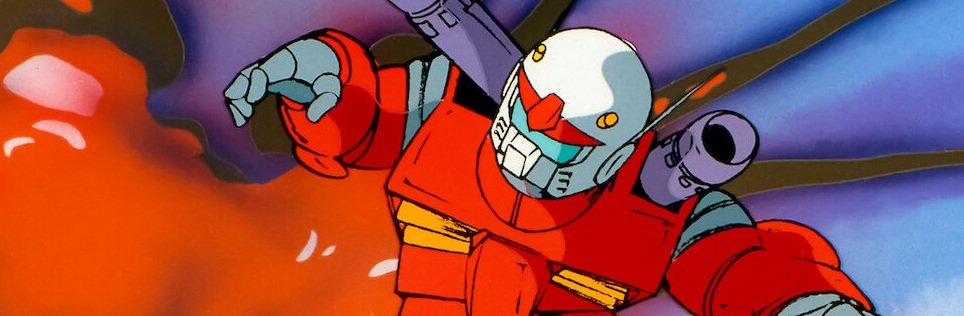
- RX-77D Guncannon
The GM Sniper II became one of the game’s most beloved mobile suits.
Fighting Amuro Was Nearly Impossible
A later Japanese release called the:
“Premium Disc”
added additional missions, including battles against:
- Amuro Ray
- The White Base team
Players could even fight:
RX-78-2 Gundam
However, defeating Amuro proved incredibly difficult because:
- He automatically dodged beam rifle shots
- Long-range attacks are rarely connected
- Aggressive machine gun tactics worked best
Players often relied on separating:
- The Gundam
- Guncannon
- Guntank
while using wingmen strategically to survive.
Manga Adaptation and Model Kit Popularity
The game also received a manga adaptation praised for its passion and attention to detail.
Unfortunately:
- The manga was never officially localized overseas
- Many Western fans remain unaware of it
Meanwhile, the:
Master Grade GM Sniper II
became highly popular among Gunpla collectors.
The kit has been re-released multiple times and is widely praised for its quality and design accuracy.
Barder himself mentions owning multiple:
ROBOT Spirits GM Sniper II
figures because of his love for the mobile suit.
The Connection to Blue Destiny
Barder also notes that:
Blue Destiny
served as an important predecessor to Rise from the Ashes.
Originally released on the Sega Saturn, Blue Destiny featured similar military-focused gameplay and cockpit-based combat.
However, unlike the Dreamcast title:
- It never received official overseas releases
- Language barriers limited accessibility for Western players
As a result, Rise from the Ashes became the first true entry point for many international fans interested in realistic Gundam games.
Why Modern Gundam Games Often Miss the Same Feeling
Barder argues that later Gundam games lost some of the tension and immersion that made the Dreamcast title special.
Games using:
- Over-the-shoulder cameras
- Faster arcade gameplay
- Hero-style combat
Often abandoned the claustrophobic cockpit realism that defined Rise from the Ashes.
He specifically contrasts the game with:
- Gundam Evolution
- Overwatch
arguing that these titles feel more like “humans in robot suits” rather than actual military mecha simulators.
Could a Modern Gundam Military FPS Work Today?
According to Barder:
Absolutely.
He points to the popularity of:
- Vehicle combat games
- Military shooters
- Mecha multiplayer games like War Robots
as proof that a market still exists for a serious military-style Gundam FPS.
He believes a modern remake would mainly require:
- Manual aiming systems
- Updated controls
- Modern online multiplayer features
while much of the original game design still holds up remarkably well today.
Final Thoughts
Even decades after its release, Gundam Side Story 0079: Rise from the Ashes remains one of the most fascinating and underrated entries in the Mobile Suit Gundam gaming history.
For many overseas fans, it represented:
- Their first major English-language Gundam game
- A realistic military mecha experience
- A glimpse into the potential of Gundam FPS gameplay
With grounded combat, cockpit immersion, tactical squad mechanics, and strong ties to beloved Universal Century anime like Mobile Suit Gundam: The 08th MS Team, the game left a lasting impact on mecha gaming culture.
As interest in military-style mecha experiences continues to grow worldwide, many fans now hope that Bandai Namco or another studio will someday revisit the unique vision pioneered by this forgotten Dreamcast classic.