 by
by Winter 2026 has delivered several anime titles that already exist in other formats, including manga and live-action adaptations. While these versions share the same core premise, differences in characterization, plot details, and tone can dramatically alter how audiences perceive the story.
In some cases, these changes improve accessibility or emotional clarity for new viewers — even if they deviate from the source material. Below are notable examples where the anime, manga, and live-action versions create completely different impressions.
When Adaptations Change the Story — and Why
Adaptations are rarely identical to their source material. Directors and writers often adjust content to suit:
- Different audiences (TV viewers vs. manga readers)
- Broadcast standards and censorship rules
- Episode time limits
- Actor performances in live-action formats
- Cultural context and pacing expectations
These changes can reshape motivations, tone, and even moral interpretation of events.
Case Study 1: Arima Kana in “My Favorite Girl” — The Scandal Arc
One of the most discussed examples is the “Scandal Arc” in Season 3 of “My Favorite Girl” (originally by Aka Akasaka and Mengo Yokoyari).
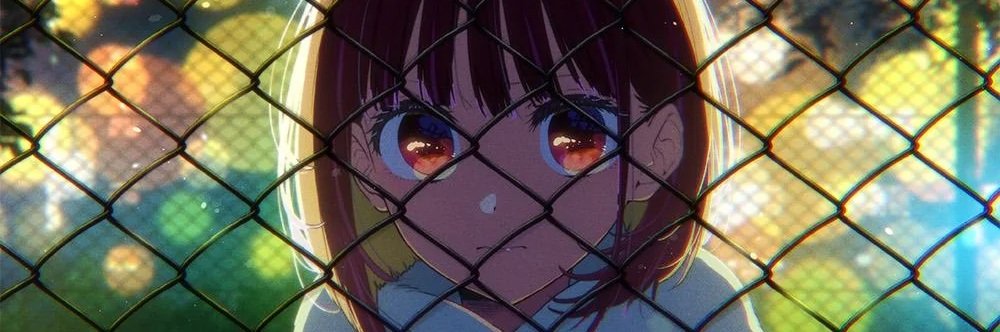
The storyline revolves around heroine Arima Kana, who becomes entangled in a controversial situation with a male director while seeking an acting opportunity.
Original Manga Version
In the original work, Kana accepts the director’s casual invitation to visit his home nearby. This decision triggers rumors and controversy, escalating the situation dramatically.
Importantly, the director is not portrayed as purely malicious. He behaves ambiguously — neither entirely predatory nor entirely innocent — leaving readers to interpret his intentions.
Anime Version
The anime softens the scenario. Instead of inviting Kana to his home, the director suggests meeting at his office, implying that other staff members may be present.
When Kana arrives and finds no one else there, she feels uneasy and somewhat deceived. However, the director still shows restraint after she rejects him, even listening to her talk through the night.
This version maintains moral ambiguity while reducing the sense of recklessness attributed to Kana.
Live-Action Version
The live-action adaptation takes a dramatically different approach. The director is portrayed as clearly manipulative and predatory, luring Kana with a film script to pressure her into a relationship.
Kana immediately leaves after rejecting him, and they do not spend the night together. This portrayal removes ambiguity and protects the character from negative audience judgment.
Many viewers praised the change, saying it reduced unnecessary backlash against Kana and made her actions easier to understand.
Case Study 2: Ashiya Mizuki in “Hanazakari no Kimitachi e”
Another striking example comes from “Hanazakari no Kimitachi e,” a classic romantic story by Hisaya Nakajo.
The plot follows Ashiya Mizuki, a girl who disguises herself as a boy to attend an all-boys boarding school.
Manga / Anime Version
In the original story and anime adaptation, Mizuki enrolls because she admires high jump star Sano Izumi and hopes to meet him.
Her motivation is simple and idealistic: she was inspired by Sano’s athleticism and dreams of supporting him after he quits high jumping due to personal reasons.
This version presents Mizuki as cheerful, determined, and driven by admiration.
2007 Live-Action Drama Version
The popular live-action drama starring Maki Horikita introduces a much heavier backstory.
In this version, Mizuki feels responsible for Sano’s injury. When she was living in the United States, Sano saved her from an attacker and ruptured his Achilles tendon in the process, forcing him to quit high jumping.
Believing she caused his downfall, Mizuki transfers to the school to help him recover and return to the sport.
This shift transforms her character from an enthusiastic admirer into someone burdened by guilt and responsibility, creating a more dramatic tone.
Why These Differences Matter
Changes like these can alter audience perception in major ways:
- Moral ambiguity vs. clear good-and-evil framing
- Romantic fantasy vs. emotional drama
- Lighthearted tone vs. psychological depth
- Passive admiration vs. active responsibility
For longtime fans, deviations may feel controversial. For newcomers, they can make the story easier to follow or more emotionally compelling.
Winter 2026 Trend: Adaptations Designed for Modern Audiences
Many recent adaptations prioritize character sympathy and clarity. Writers often adjust problematic or controversial elements to align with contemporary expectations.
Common modernization strategies include:
- Reducing victim-blaming scenarios
- Clarifying consent and boundaries
- Strengthening character agency
- Streamlining complex plotlines
- Enhancing emotional stakes
This approach helps stories resonate with a wider global audience.
Is “Faithful” Always Better?
Not necessarily. A faithful adaptation preserves the original vision, but a reinterpretation can reveal new layers of meaning or appeal to different viewers.
Some adaptations succeed precisely because they are bold enough to change key elements while preserving the core theme.
Final Thoughts
Winter 2026’s lineup demonstrates how the same story can feel completely different depending on the medium. Whether you prefer strict fidelity or creative reinterpretation, comparing versions can deepen your appreciation of the characters and narrative.
For fans, exploring manga, anime, and live-action adaptations side by side offers a fascinating look at how storytelling evolves across formats.
SEO Keywords (Bonus)
Winter 2026 anime adaptations, anime vs manga differences, live action vs anime comparison, My Favorite Girl anime Kana scandal arc, Hanazakari no Kimitachi e adaptation differences, anime adaptation changes explained