 by
by Kyoto Animation has earned a global reputation for producing emotionally powerful, visually stunning anime that leave a lasting impact on viewers. From Violet Evergarden to Free! and Beyond the Boundary, the studio has consistently demonstrated its ability to transform novels into unforgettable animated experiences.
Now, with the release of Twentieth Century Electric Catalog – Eureka Everyka –, many fans are asking the same question: Could this become Kyoto Animation’s next breakout hit after Violet Evergarden?
The answer may lie in the studio’s unique publishing label, KA Esuma Bunko, which allows Kyoto Animation to develop original stories from the ground up before adapting them into anime. This creative ecosystem gives the studio a level of freedom that few animation companies enjoy.
What Is Twentieth Century Electric Catalog Eureka Everyka?
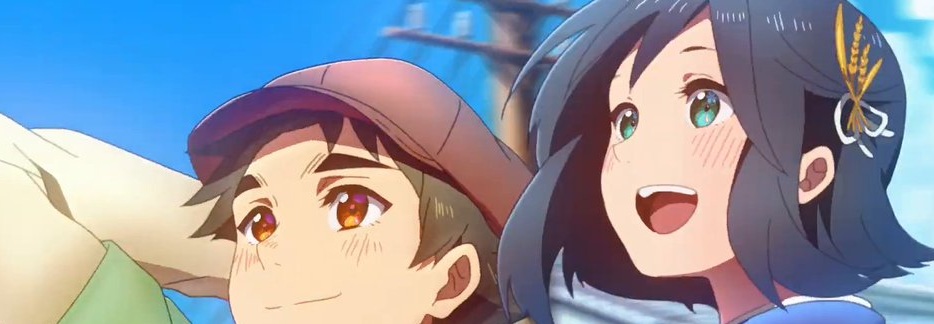
Twentieth Century Electric Catalog – Eureka Everyka – is one of Kyoto Animation’s newest original-inspired anime projects based on a KA Esuma Bunko novel.
Set during a period of rapid technological and social transformation, the story combines historical drama, coming-of-age themes, innovation, and emotional character development.
Rather than focusing solely on action, the series explores how dreams, inventions, friendship, and perseverance shape people’s lives during an era of great change.
Like many Kyoto Animation productions, the series places strong emphasis on:
- Beautiful visual storytelling
- Rich emotional character arcs
- Detailed world-building
- Thought-provoking themes
- High-quality animation
These elements have already generated excitement among anime fans looking for another emotionally resonant Kyoto Animation masterpiece.
The Unique Strength of Kyoto Animation
Unlike many animation studios that simply license popular manga or light novels, Kyoto Animation operates differently.
Through KA Esuma Bunko, the studio publishes original novels and carefully develops stories internally before adapting them into anime.
This approach offers several advantages:
- Greater creative freedom
- Closer collaboration between authors and animators
- More flexibility when adapting stories
- Long-term development of original intellectual properties (IPs)
Because Kyoto Animation is closely involved with both the novels and their anime adaptations, it can reshape stories in ways that best suit animation without losing their emotional core.
Why Kyoto Animation Changes Its Stories for Anime
One of Kyoto Animation’s greatest strengths is understanding that novels and animation are fundamentally different storytelling mediums.
Instead of creating scene-for-scene adaptations, the studio often restructures stories to maximize the strengths of animation.
These changes may include:
- Expanding emotional moments
- Reworking character arcs
- Adding visually dynamic scenes
- Improving pacing
- Enhancing world-building
- Creating anime-original storylines
Rather than simply copying the source material, Kyoto Animation adapts stories to provide the best possible viewing experience.
Violet Evergarden: A Perfect Example
One of the best examples of Kyoto Animation’s adaptation philosophy is Violet Evergarden.
Both the novel and anime follow Violet, a former child soldier who becomes an Auto Memory Doll—a professional letter writer—after the war.
As she writes letters for others, she slowly learns the meaning of emotions, love, and human connection.
However, there are notable differences between the novel and the anime.
In the Original Novel
Violet remains an incredibly powerful fighter.
She occasionally enters active battlefields to deliver letters, wielding a massive battle axe and defeating enemies with overwhelming combat skills.
These scenes emphasize her extraordinary military abilities.
In the Anime
Kyoto Animation significantly reduced the action-oriented elements.
Instead, the anime focuses on:
- Healing after war
- Emotional growth
- Human relationships
- Loss and recovery
- The power of written words
This creative decision transformed Violet Evergarden into one of the most emotionally acclaimed anime of the past decade.
Love, Chunibyo & Other Delusions! Added Original Elements
Another famous example is Love, Chunibyo & Other Delusions!
The original novel centers on a former “chunibyo” (middle school syndrome) boy who meets a girl still living in her fantasy world.
The anime preserves the romantic comedy while introducing memorable anime-original additions.
One standout example is Sanae Dekomori, whose exaggerated twin-tail combat scenes became iconic.
Her over-the-top “battles” added humor, visual excitement, and personality that perfectly suited animation.
Today, many fans associate Dekomori with the anime even more than the original novels.
Beyond the Boundary Expanded Its Supernatural World
Kyoto Animation also took a unique approach with Beyond the Boundary.
The original novel focuses primarily on the evolving relationship between Akihito Kanbara and Mirai Kuriyama.
The anime expands the supernatural world by giving greater attention to:
- Supporting characters
- Action sequences
- Battles against Youmu
- Emotional conflicts
- Team dynamics
These additions helped create a richer and more cinematic viewing experience while preserving the heart of the story.
How High☆Speed! Became Free!
Perhaps one of Kyoto Animation’s most successful adaptations is High☆Speed!
The original novel tells the story of middle school boys passionate about competitive swimming.
Rather than adapting it directly, Kyoto Animation reimagined the characters as high school students and created the globally successful anime franchise Free!
The series became an international phenomenon thanks to:
- Stunning swimming animation
- Character-driven storytelling
- Emotional friendships
- Beautiful music
- High production values
This demonstrates Kyoto Animation’s willingness to creatively evolve a story instead of simply reproducing it.
Why KA Esuma Bunko Is Different
Most anime studios rely on popular manga or novels published by major companies.
Because the rights belong to outside publishers, studios often have limited creative freedom.
KA Esuma Bunko works differently.
Kyoto Animation develops many of its own novels through its in-house publishing label.
This allows the studio to:
- Build original franchises
- Collaborate closely with authors
- Plan long-term multimedia projects
- Adapt stories without excessive restrictions
This publishing model has become one of Kyoto Animation’s greatest competitive advantages.
Could Twentieth Century Electric Catalog Become the Next Major Franchise?
Many fans believe Twentieth Century Electric Catalog – Eureka Everyka – has the potential to follow the success of titles like:
- Violet Evergarden
- Free!
- Beyond the Boundary
- Sound! Euphonium
Its unique historical setting, emotional storytelling, and beautifully animated world already showcase many of Kyoto Animation’s signature strengths.
If the anime continues to deliver compelling character development and memorable emotional moments, it could become another flagship title for the studio.
More Exciting KA Esuma Bunko Titles Worth Watching
Kyoto Animation’s publishing label continues to expand with several promising novels that could eventually receive anime adaptations.
Some notable titles include:
MOON FIGHTERS!
Written by Shoji Gatoh, creator of Full Metal Panic!, this science-fiction novel follows rescue workers operating on the Moon, combining futuristic technology with human drama.
The Radiance of the Grassland
Penned by acclaimed screenwriter Reiko Yoshida, this story explores meaningful encounters and personal growth within a public school setting.
Fantamelodico Maestro
Released by Torako, the author of Love, Chunibyo & Other Delusions!, this fantasy follows a young boy determined to restore music to a kingdom where it has disappeared.
Aurora and Salmon
Written by Hiroshi Yuki, the creator of Twentieth Century Electric Catalog, this fantasy novel showcases another imaginative world that reflects Kyoto Animation’s commitment to emotionally rich storytelling.
These original works further demonstrate the studio’s dedication to developing fresh intellectual properties instead of relying solely on existing franchises.
Why Kyoto Animation Continues to Stand Out
Kyoto Animation has built its reputation not only through breathtaking animation but also through its philosophy of thoughtful adaptation.
Rather than simply recreating a novel scene by scene, the studio carefully reshapes each story to maximize emotional impact on screen.
This approach has resulted in numerous critically acclaimed anime that continue to inspire audiences worldwide.
By combining original publishing, exceptional production quality, and deep character-driven storytelling, Kyoto Animation has created a sustainable creative ecosystem that few studios can match.
Final Thoughts
With Twentieth Century Electric Catalog – Eureka Everka –, Kyoto Animation once again demonstrates its ambition to create emotionally powerful, visually breathtaking anime based on carefully crafted original novels from KA Esuma Bunko.
Whether the series ultimately reaches the legendary status of Violet Evergarden remains to be seen. However, its thoughtful storytelling, historical setting, stunning animation, and strong creative foundation suggest that it has all the ingredients needed to become one of Kyoto Animation’s next major successes.
For anime fans who appreciate heartfelt narratives, beautifully animated worlds, and meaningful character growth, Twentieth Century Electric Catalog – Eureka Everyka – is undoubtedly one of the most exciting titles to watch.