 by
by A major controversy surrounding AI-generated anime-style advertising has sparked heated discussion online after Japanese cosmetics company Utena Co., Ltd. issued an official apology and announced the removal of its promotional campaign following criticism from anime fans.
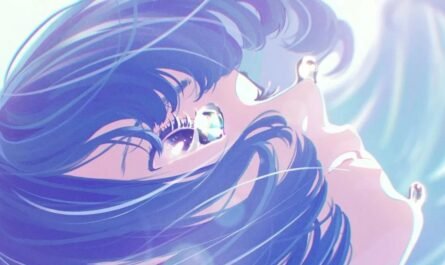
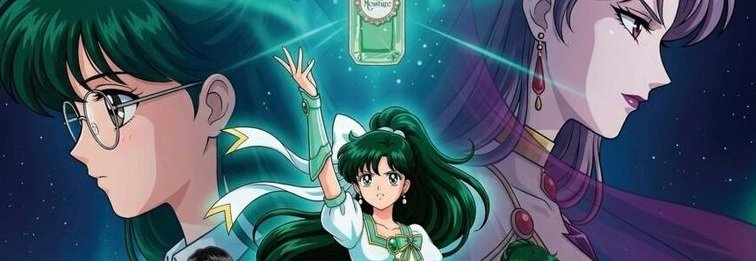
The company faced backlash after releasing an AI-powered advertising campaign that many viewers claimed closely resembled Sailor Moon, one of Japan’s most iconic magical girl franchises.
Although the company emphasized that the campaign complied with legal standards and that the team was not trained on specific copyrighted works, it admitted that the project showed a “lack of consideration” for existing creative works and their fan communities.
The incident has now become one of the latest examples in the growing debate surrounding AI-generated art, copyright concerns, and the future of creative industries.
What Happened?
On April 27, Utena launched a new advertising campaign for one of its cosmetic brands through transit advertisements in Tokyo and Osaka.
Shortly afterward, on May 1, the company uploaded a promotional anime-style video titled:
“Moisture Warrior Moisture”
The video was released on the company’s official YouTube channel and heavily promoted online.
The campaign’s main concept centered around a “transforming heroine,” a style strongly associated with classic magical girl anime.
According to the company, the visuals and video were created using AI-generated creative tools under human supervision.
The goal of the campaign was reportedly to:
- Reduce production time
- Create anime-style content more efficiently
- Appeal to younger audiences
- Experiment with emerging AI technologies
However, shortly after the campaign launched, social media users began criticizing the advertisement for appearing visually similar to Sailor Moon.
Why Fans Compared the Ad to Sailor Moon
Many viewers pointed out similarities involving:
- Character designs
- Transformation sequences
- Costume aesthetics
- Color palettes
- Visual effects
- Overall, magical girl atmosphere
Because Sailor Moon is one of the most recognizable magical girl anime series in history, many anime fans quickly noticed what they believed were strong stylistic similarities.
Online discussions rapidly spread across:
- X (formerly Twitter)
- YouTube
- Anime forums
- Japanese social media
- Reddit communities
Some users accused the company of using AI to imitate existing anime styles too closely, while others debated whether the similarities were simply common magical girl genre tropes.
The controversy soon grew large enough that the company issued an official public statement.
Company Issues Official Apology
In its response, Utena stated:
“We have received many opinions and apologize for causing discomfort and concern to many people.”
The company acknowledged criticism that the campaign lacked sufficient sensitivity toward existing creative works and fan communities.
The statement specifically admitted:
- A lack of respect for the uniqueness of existing works
- Insufficient consideration for anime fans
- Poor awareness of cultural and emotional impact
As a result, the company announced several immediate actions.
Promotional Video and Ads to Be Removed
Utena confirmed that it would:
- Remove the promotional video from YouTube
- Delete related social media posts
- Gradually remove transit advertisements in Tokyo and Osaka
According to the company, the removal process may take several days to complete.
This quick response suggests the company wanted to reduce further controversy and demonstrate accountability to consumers and anime fans.
Company Claims AI Was Not Trained on Specific Anime
One of the most important points in the company’s statement involved how the AI-generated content was produced.
Utena emphasized that:
- The AI system was not trained on specific anime works
- No existing characters were directly referenced
- Human supervision was involved throughout production
- Similarity checks were conducted before release
The company also stated that multiple legal reviews had been conducted with outside experts before the campaign launched.
According to Utena, the production process was designed to comply with relevant laws and regulations regarding copyright and intellectual property.
However, despite those precautions, the company admitted that legal compliance alone was not enough.
“Legal” Does Not Always Mean “Acceptable”
One major reason this controversy gained attention is that it highlights a growing issue in AI-generated creative work:
Even if something is legally permissible, audiences may still view it negatively.
In its statement, Utena acknowledged this distinction and explained that it failed to fully consider:
- Viewer perception
- Fan emotions
- Cultural context
- Respect for existing creative identities
The company now plans to review its internal creative approval process more broadly.
Future Measures Announced
Utena stated that it will:
- Reevaluate how AI-generated expressions are reviewed
- Strengthen oversight systems
- Consult additional outside experts
- Consider emotional and cultural impacts more carefully
- Work to prevent similar incidents in the future
The company also confirmed that it will once again review the campaign with third-party legal and creative experts to determine whether any further issues exist.
The Growing Debate Over AI-Generated Anime Art
This controversy reflects a much larger discussion currently happening across the anime and entertainment industries.
As AI-generated image and animation tools become more advanced, many creators and fans are increasingly concerned about:
- Copyright infringement
- Style imitation
- Artist compensation
- Ethical AI usage
- Creative originality
Unlike direct plagiarism, AI-related disputes often involve more complicated questions:
- Can an art style itself be copied?
- How similar is “too similar”?
- Should AI imitate famous aesthetics?
- Who owns AI-generated visual designs?
These questions remain highly controversial worldwide.
Why Anime Fans Are Especially Sensitive About AI Art
Anime communities are particularly passionate about protecting artistic originality because anime production already relies heavily on:
- Individual animators
- Distinctive visual styles
- Creative identity
- Emotional storytelling
Many fans feel that iconic anime aesthetics are deeply connected to the creators behind them.
In the case of Sailor Moon, the franchise holds enormous cultural significance within anime history and the magical girl genre.
Because of this, even indirect visual similarities can generate strong emotional reactions from longtime fans.
AI Use in Advertising Is Increasing Rapidly
Despite the backlash, the controversy also shows how rapidly companies are adopting AI-generated creative tools.
Businesses are increasingly using AI to create:
- Promotional illustrations
- Anime-style commercials
- Storyboards
- Character concepts
- Social media marketing content
The main reasons companies use AI include:
- Faster production
- Lower costs
- Easier experimentation
- Viral marketing potential
However, incidents like this demonstrate the risks companies face when AI-generated content resembles existing popular works too closely.
Public Reaction Remains Divided
The online response to the controversy has been mixed.
Some users supported the company’s apology and appreciated its willingness to remove the campaign.
Others argued:
- The similarities were too obvious
- Companies should be more careful with AI-generated art
- Human artists deserve greater respect
Meanwhile, some viewers defended the campaign, saying the visuals only reflected common magical girl genre elements rather than direct copying.
The debate continues to fuel larger conversations about the future of AI-assisted creativity.
Why This Incident Matters for the Anime Industry
This controversy may become an important case study for future AI-related anime marketing campaigns.
As AI tools become more common, anime studios, advertisers, and creators will likely need to establish:
- Clearer ethical guidelines
- Better originality checks
- Stronger transparency policies
- Improved communication with audiences
The situation also highlights how fan perception can significantly impact a campaign’s success, even when legal compliance has been confirmed.
Final Thoughts
The controversy surrounding Utena’s AI-generated anime advertisement demonstrates the complicated relationship between artificial intelligence, creativity, and fan culture.
Although the company insists the campaign followed legal guidelines and did not directly copy existing works, it ultimately acknowledged that the project lacked sufficient consideration for the emotional and cultural significance of beloved anime franchises like Sailor Moon.
As AI-generated creative content becomes increasingly common in advertising and entertainment, companies may need to balance technological innovation with greater sensitivity toward artistic identity and audience expectations.
For now, the incident serves as another reminder that in creative industries, public trust and cultural respect can be just as important as legal compliance.