 by
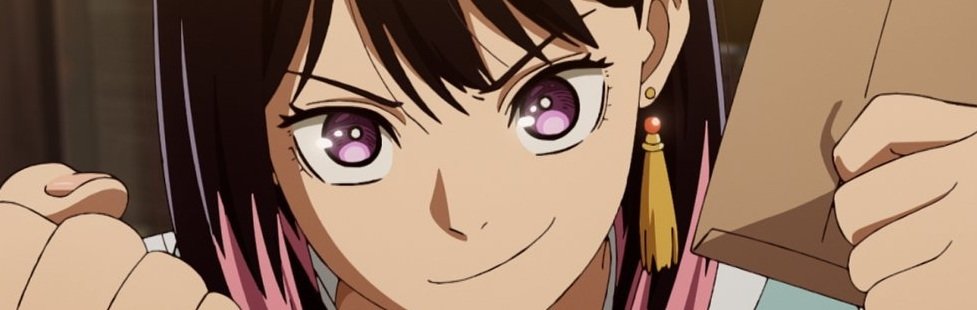
by The TV anime “Akane Banashi” has revealed exciting new updates following the broadcast of its second episode. Legendary Japanese musician Keisuke Kuwata has been confirmed to perform both the opening and ending theme songs, making this a rare and highly anticipated collaboration.
Alongside this announcement, the anime has been released:
- A non-credit ending (ED) video
- A character PV for Kaisei Arakawa
- Official chibi-style character illustrations
Non-Credit Ending Video Released
The newly released non-credit ending video features the song:
“AKANE On My Mind ~Manju Kowai”
Key Highlights
- A retro-pop visual style with warm, summery tones
- Traditional rakugo (Japanese storytelling) elements, including:
- Stage cushions (zabuton)
- Folding fans
- Storytelling props
- A playful final scene featuring a manju (sweet bun)
The visuals perfectly reflect the anime’s unique blend of tradition and modern storytelling.
About the Ending Theme: “Manju Kowai” Inspiration
The ending theme’s title is inspired by:
“Manju Kowai”, a classic rakugo story
Why This Matters
- Rakugo is central to the story of Akane Banashi
- The song reinforces the anime’s cultural roots
- It adds authenticity and thematic depth
Keisuke Kuwata’s Dual Role: A Major Highlight
Having Keisuke Kuwata handle both theme songs is a major talking point.
Why It’s Special
- Rare for a single artist to perform both OP and ED
- Ensures a consistent musical identity
- Brings legendary status and wider attention to the anime
Kuwata also personally wrote the ending theme, adding a deeper connection to the story.
Episode 2 Reveals Key Details
In Episode 1:
- The opening theme was shown
- The ending theme remained undisclosed
In Episode 2:
- The ending theme was officially revealed
- The non-credit ED video premiered
This reveal strategy helped build anticipation among fans.
Character PV: Kaisei Arakawa Spotlight
In addition to the theme song announcement:
- A character promotional video (PV) focusing on Kaisei Arakawa was released
What the PV Shows
- His personality and role in the story
- His connection to the rakugo world
- Key character moments
This helps viewers better understand important supporting characters.
Chibi Illustrations Add a Fun Touch
The anime was also released:
- Official chibi-style character visuals
These:
- Offer a lighter, playful version of the characters
- Are popular for social media and fan engagement
About “Akane Banashi” (Beginner-Friendly Overview)
“Akane Banashi” is a story centered around:
Rakugo, a traditional Japanese storytelling art form
Basic Story
- Follows a young girl striving to become a rakugo performer
- Explores themes of:
- Passion
- Growth
- Cultural tradition
Where to Watch
The anime is available on multiple platforms:
- Netflix
- Disney+
- ABEMA
- Hulu
- FOD
Broadcast Schedule
- Saturdays, 11:30 PM (TV Asahi network)
New Updates & What to Expect Next
With the release of Episode 2 content:
Upcoming Expectations
- More character-focused PVs
- Deeper exploration of rakugo performances
- Continued integration of traditional culture with modern storytelling
Beginner’s Guide: Why You Should Watch
Perfect for viewers who enjoy:
- Cultural and artistic themes
- Music-driven storytelling
- Character growth narratives
Why “Akane Banashi” Stands Out
- Unique focus on rakugo, rarely seen in anime
- Strong musical direction by a legendary artist
- Visually creative and culturally rich presentation
Final Thoughts
The release of the non-credit ending video and confirmation of Keisuke Kuwata’s involvement mark an exciting milestone for Akane Banashi.
With its:
- Cultural depth
- Strong music
- Engaging storytelling
The anime is quickly establishing itself as one of the most unique series of 2026.