 by
by The anime industry is undergoing a major transformation. On January 21, MAPPA, the renowned animation studio behind global hits such as Chainsaw Man and Jujutsu Kaisen, officially announced a strategic partnership with Netflix.
This move has sparked intense discussion within the industry, especially as former television producers warn that terrestrial TV anime is reaching a breaking point due to shrinking budgets and structural limitations.
With streaming platforms offering higher production budgets, greater creative freedom, and global reach, many are asking: Is this the beginning of a new era where streaming services dominate anime production—and what does it mean for traditional TV broadcasting?
MAPPA × Netflix: A Strategic Alliance with Global Ambitions
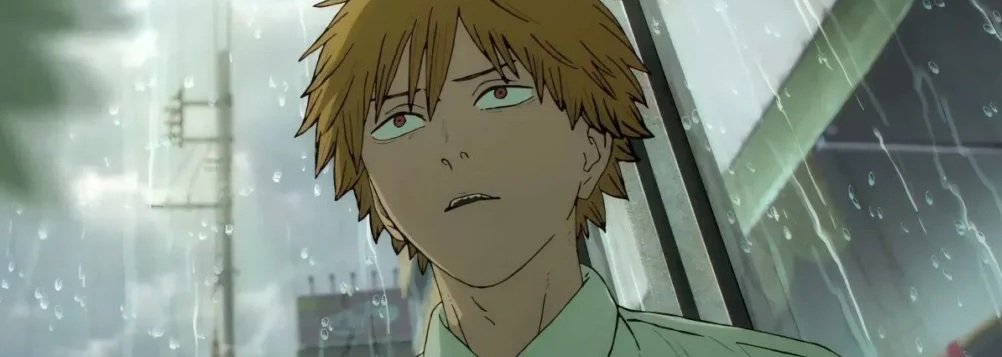
Founded in 2011, MAPPA has rapidly risen to become one of Japan’s most influential anime studios. It made headlines by self-funding 100% of the production costs for Chainsaw Man, which aired on TV Tokyo and later became a worldwide hit on streaming platforms.
According to Netflix, anime is now enjoyed by approximately 300 million viewers, accounting for more than half of Netflix’s global subscribers across over 190 countries and regions. Even more striking, anime viewership on Netflix has tripled over the past five years, underscoring how Japanese animation has evolved into a truly global entertainment force.
An industry insider commented:
“This partnership is not just about distribution. MAPPA and Netflix are working together with a clear focus on the global market—covering everything from anime production to merchandising and IP development. Several new projects are already in progress.”
Unlike traditional production models that rely heavily on broadcasters and committees, this collaboration allows MAPPA to retain greater control over its intellectual property, while Netflix provides funding, data-driven insights, and worldwide distribution.
Why Streaming Is Winning Over Creators
In today’s entertainment landscape, producers from drama, variety shows, and anime increasingly agree on one thing: streaming platforms offer more money and more freedom.
Key advantages of streaming platforms like Netflix include:
- Larger and more stable production budgets
- Fewer content restrictions compared to terrestrial TV
- Flexible episode lengths and release schedules
- Immediate global distribution
- Long-term monetization through IP and merchandise
For anime studios, this can mean better working conditions, higher-quality animation, and the ability to take creative risks that would be difficult under tight TV budgets.
The Harsh Reality: Anime Studios Under Financial Pressure
Despite the anime market continuing to grow globally, many production companies in Japan remain financially vulnerable.
According to a report by Teikoku Databank titled “Trends in Bankruptcy, Suspension, Closure, and Dissolution in the Anime Production Industry (January–September 2025)”:
- Japan has approximately 290 anime production companies
- Eight studios went bankrupt, suspended operations, or dissolved between January and September 2025
- This matches the level seen in 2018, a year that recorded a historic high of 16 bankruptcies
- The industry is on track for a third consecutive year of increasing closures
Even more concerning, the same survey revealed that around 60% of prime contractor studios experienced declining performance in fiscal year 2024.
The report explains:
“Small and mid-sized studios that cannot pass rising production and labor costs onto clients—and lack stable income sources such as IP ownership—are facing severe financial difficulties.”
MAPPA’s Vision: Creative and Business Independence
MAPPA President and CEO Manabu Otsuka addressed the significance of the Netflix partnership with a clear message:
“Japanese animation studios of the future must understand audience needs from a global perspective and take responsibility—from planning and development to reaching the final audience and expanding related businesses.”
His statement highlights MAPPA’s goal of achieving true independence, not only creatively but also commercially. By controlling production, distribution strategy, and merchandise development, studios like MAPPA aim to break free from the long-standing model where creators bear the risk while profits are dispersed elsewhere.
What About Terrestrial TV Anime?
Terrestrial broadcasters in Japan are not standing still. In recent years, networks have:
- Increased the number of anime time slots
- Moved anime from late-night hours to earlier prime-time slots
- Actively targeted younger audiences and anime fans
However, budget constraints remain a major obstacle. Advertising revenue for traditional TV continues to decline, making it difficult to match the financial scale and flexibility of streaming platforms.
Former TV Asahi producer Hiromichi Shizume points out that while broadcasters are making efforts, they are structurally limited:
“Terrestrial TV still plays an important role, but it’s becoming harder to compete with platforms that can invest heavily and think globally from the start.”
What This Means for the Future of Anime
The MAPPA–Netflix partnership symbolizes a broader shift in the anime industry:
- Studios seek sustainable business models
- Global audiences influence production decisions
- Streaming-first anime projects become more common
- IP ownership becomes a survival strategy
Rather than signaling the end of TV anime, this trend suggests a rebalancing of power, where studios with strong brands and global appeal can choose platforms that best support their vision.
Final Thoughts
MAPPA’s alliance with Netflix, following the massive success of Chainsaw Man, highlights both the opportunity and the crisis facing the anime industry today. While global demand for anime has never been higher, traditional production models—especially those tied to terrestrial TV—are under immense strain.
As budgets tighten and competition intensifies, partnerships with streaming giants may become not just an option, but a necessity for studios aiming to survive and thrive on the world stage.
The question is no longer whether streaming will shape anime’s future—but how the industry adapts to ensure creators, studios, and audiences all benefit from this new era.